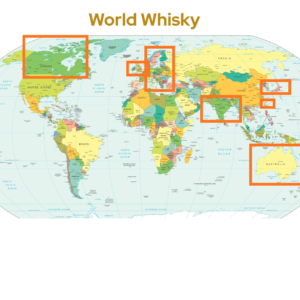
The term “World Whisky” generally refers to whiskies produced outside the traditional “Big Five” whisky-producing regions: Scotland, Ireland, the United States, Canada, and often Japan.
While there is no single global legal definition, the category is defined by several key characteristics:
1. Geographical Distinction
The most common definition is a catch-all for any whisky made outside of the established historical heartlands. This includes burgeoning industries in:
• India: Currently one of the world’s largest producers; historically molasses-based but increasingly focused on high-quality single malts.
• Taiwan: Known for rapid maturation due to its hot, humid climate, which accelerates interaction with the wood.
• Australia: Characterised by innovation and the use of diverse grains and smaller casks.
• Europe: Countries like France, Sweden, Denmark, and Germany have established significant craft whisky scenes.
2. General Technical Standards
In many markets, including the European Union, a spirit must meet specific criteria to be sold as “whisky”:
• Base Material: Must be produced from fermented cereal grains.
• Distillation: Distilled to less than 94.8% ABV (80% for some specific styles like American Single Malt) to retain the aroma and taste of the raw materials.
• Maturation: Must be matured in wooden casks (often 700 litres or less) for a minimum period, typically three years in the EU, though some countries require only two.
• Strength: Typically bottled at a minimum of 40% ABV.
3. “New World” vs. “Old World”
Industry groups like Distill Ventures define “New World” whisky using two main criteria:
• Location: Produced in a non-traditional country.
• Method: A whisky made in a style not traditionally associated with its country of origin (e.g., an American Single Malt).
• World whisky: from global gloom to local boom
-
- Paul John, World Whisky
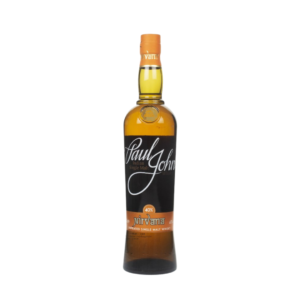
Paul John – Nirvana – Single Malt Indian Whisky
- £32
- Indian Single Malt Whisky Indian barley and charred American oak casks work in harmony here, with lots of barley sugar and honeyed notes to enjoy. 40% abv 70cl
- Add to basket
-
- Paul John
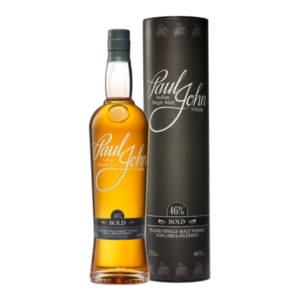
Paul John – Bold – Peated Indian Whisky
- £40
- World Whisky from Goa in India - single malt peated whisky - combining traditional Scottish methods with the distinct qualities of tropical maturation. 46% abv 70cl
- Add to basket
-
- Paul John, World Whisky
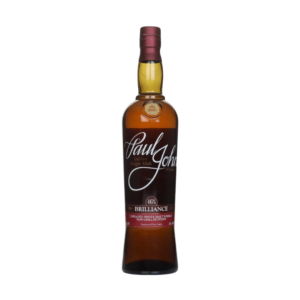
Paul John – Brilliance – Indian Whisky
- £40
- Indian Single Malt Whisky Made using Indian 6-row barley from the Himalayan foothills, Brilliance is matured in bourbon barrels for 3-5 years before bottling at cask strength. 46% abv 70cl
- Add to basket
-
- Paul John
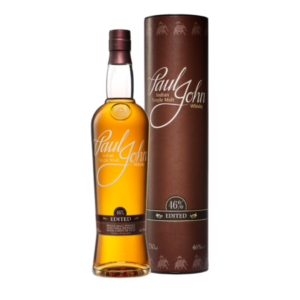
Paul John – Edited – Peated Indian Whisky
- £42
- Paul John - Edited - Indian Whisky - is a premium Indian single malt whisky in Goa, India. This unique expression gets its name because the recipe is "edited" by Master Distiller Michael John. He combines high-quality, local Indian six-row barley with a precise touch of imported, heavily peated Scottish barley. 46% abv 70cl
- Add to basket
-
- Paul John
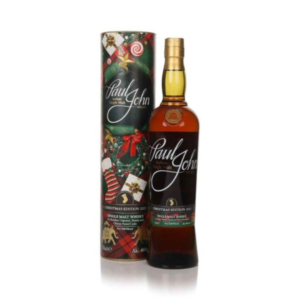
Paul John – Christmas Edition 2022 – Indian Whisky
- £60
- Paul John Christmas Edition 2022 it is distilled from six-row Indian barley and matured in Goa’s warm, tropical climate. It brings the festive spirit in a chestnut-coloured whisky that was crafted from malts finished in brandy, peated oloroso, and bourbon casks. 46% 70cl
- Add to basket
-
- Paul John, World Whisky
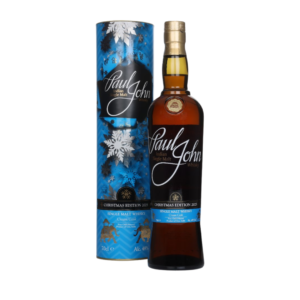
Paul John – Christmas Edition 2025 – Indian Whisky
- £64
- Indian Single Malt Whisky First matured for five years in bourbon casks, then finished for two years in 250-litre cream sherry casks of oloroso and Pedro Ximénez (PX), before the two finishes are vatted together and aged for a final year. 48% 70cl
- Add to basket
-
- Paul John
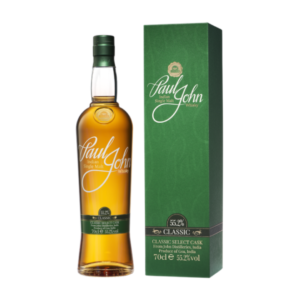
Paul John – Classic – Indian Whisky
- £72
- Paul John Classic Select Cask is a premium, unpeated Indain Single Malt Whisky in Goa. Distilled in traditional copper pot stills from six-row Indian barley, this expression is matured in ex-bourbon barrels. 55.2% abv 70cl
- Add to basket
-
- Blackadder, Zuidam Distillery (Millstone), Netherlands
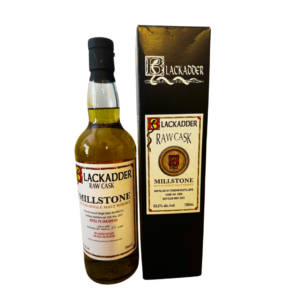
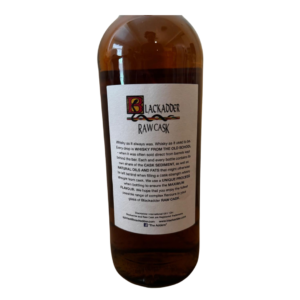
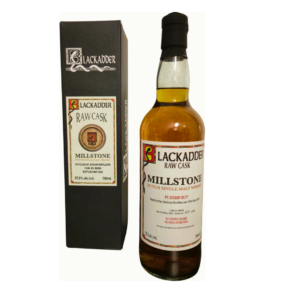
Millstone 6yo – Blackadder – Peated PX cask #2609
- £74
- Distilled by Zuidam Distillery (Baarle-Nassau, Netherlands) in 2017 and bottled in 2023. Refill PX sherry Hogshead - Cask #2609 - 380 bottles Heavily peated 53.2% abv 70cl
- Add to basket
-
- Blackadder, Zuidam Distillery (Millstone), Netherlands
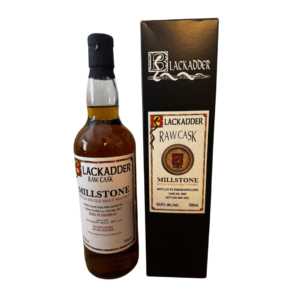
Millstone 7yo – Blackadder – (PX cask #B0302)
- £74
- Distilled by Zuidam Distillery (Baarle-Nassau, Netherlands) in 2016 and bottled in 2023. Full-term maturation in a single Pedro Ximénez (PX) Sherry Butt #B0302 Limited to 747 bottles 57.3% abv 70cl
- Add to basket
-
- Blackadder, Zuidam Distillery (Millstone), Netherlands
Millstone 6yo – Blackadder – (peated PX cask #2625)
- £76
- Distilled by Zuidam Distillery (Baarle-Nassau, Netherlands) in 2017 and bottled in 2023. Refill PX sherry Hogshead - Cask #2625 - 384 bottles Heavily peated 53.6% abv 70cl
- Add to basket
-
- Paul John
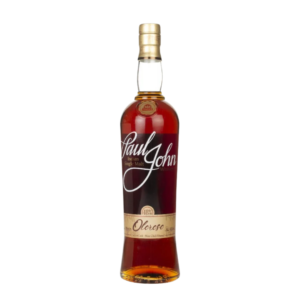
Paul John – Oloroso Select Cask Series – Single Malt Indian Whisky
- £80
- This unpeated Indian single malt has enjoyed a finishing period in Oloroso sherry casks 48% abv 70cl
- Add to basket
-
- Blends, Turntable Spirits
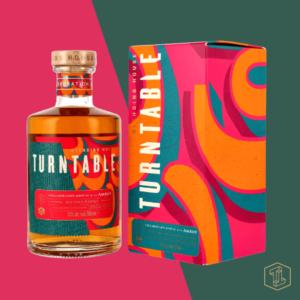
Starward – Collaboration Drop 01 – Turntable
- £85
- Blend Composition: 39% Starward Single Malt (matured in Australian ex-red wine casks) — brings red berry and dark fruit notes. 29% Inchgower Single Malt (matured in virgin oak) — contributes mineral and cigar smoke characteristics. 22% North British Single Grain (matured in virgin oak) — adds sweet coconut and rich depth. 10% Caol Ila Single Malt (matured in 1st-fill bourbon…
- Add to basket
-
- Out of Stock
- Paul John
Paul John – Pedro Ximénez – Select Cask Series – Single Malt Indian Whisky
- £85
- Indian Single Malt Whisky Finished in Pedro Ximénez sherry casks 48% abv 70cl
- Read more
-
-
- Out of Stock
- Blackadder, The English Whisky Company (St. George's Distillery (Norfolk)
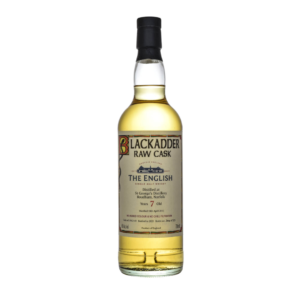
The English – St George’s 2010 7yo – Blackadder
- £87
- St. George's Distillery (The English Whisky Co.) A 7-year-old single malt distilled in 2013 and bottled in 2021 (Cask #EN21-01) - 225 bottles. 65% abv 70cl
- Read more
-
-
- Adelphi, World Whisky
High Coast 9 yo 2014 – Adelphi (Cask #1218)
- £99
- Independently bottled by Adelphi - a single malt from Sweden's High Coast distillery. first-fill oloroso sherry hogshead before it was bottled. Cask #1218 58.1% abv 70cl
- Add to basket
-
- Out of Stock
- Adelphi, Ardnamurchan, Japanese Whisky
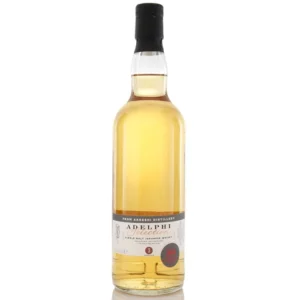
Akkeshi 2018 3yo- Adelphi Cask #1004
- £115
- 3yo Peated Cask #1004 First fill bourbon cask 57.7% abv £115 70cl
- Read more
-
-
- Out of Stock
- Blackadder, The English Whisky Company (St. George's Distillery (Norfolk)
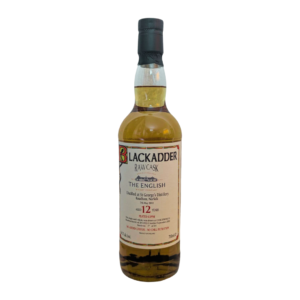
The English – St George’s 12yo 2010 – Blackadder
- £125
- St. George's Distillery (The English Whisky Co.) 12 Years Old - Distilled May 7, 2010 and bottled September 2022 Bourbon Barrel - heavily peated (63ppm) - cask #EN 2022-3 - limited to only 211 bottles 64.7% abv 70cl
- Read more
-
-
- Blackadder, World Whisky
Smögen 10yo – Blackadder Raw Cask
- £180
- Swedish Single Malt First Fill Bourbon Cask #47/2012 61% abv 50cl
- Add to basket
-
- American - Bourbons, Whiskeys & Rye, Blackadder
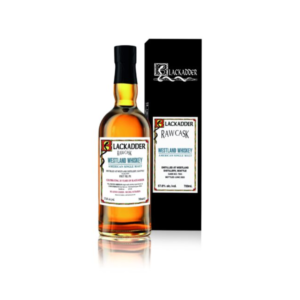
Westland 5yo Peated Single Malt – Blackadder Raw Cask (Seattle,USA)
- £199
- Distilled on July 1, 2019, and bottled in June 2025 (5 Years Old) First Fill PX Butt, Peated Malt - Cask #7333 - 410 bottles 57.6% abv 70cl
- Add to basket
-
- Blackadder
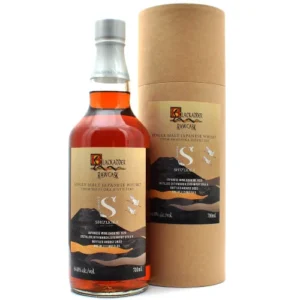
Shizuoka 4yo – Blackadder Raw Cask
- £249
- Cask No. 1129 (Japanese Wine Cask): Distilled in 2019 and bottled in 2023. Distilled in 2019, bottled in 2023 - 4 yo - Japanese Red Wine Cask - only 217 bottles. Utilizing "Pot Still K"—the legendary, historic wash still salvaged from the closed Karuizawa distillery. 64% abv 70cl
- Add to basket