Because most Indian “whisky” is molasses-based and often lacks significant maturation, it does not meet the legal definition of whisky in the European Union, UK, or USA.
• Categorisation: Outside of India, these molasses-based spirits are technically classified as rum.
• Export Requirements: For an Indian spirit to be legally sold as “whisky” in Europe, it must be distilled from cereal grains and matured in oak casks for a minimum of three years.
Premium Indian Single Malts
A growing segment of “New World” Indian whiskies, such as those from Amrut and Paul John, adhere to international standards to compete globally.
• Ingredients: These are made from 100% malted barley, often using indigenous six-row barley grown in northern India, which imparts a spicier character than the two-row barley used in Scotland.
• Accelerated Maturation: Due to India’s hot tropical climate, the “Angel’s Share” (evaporation) is much higher (up to 12% annually vs. 2% in Scotland) [5, 21]. This causes the spirit to interact with the wood much faster; as a result, a 4-year-old Indian whisky can have the depth and complexity of a 12-year-old Scotch.
In India, the term “whisky” is used broadly as a catch-all for a wide range of spirits [9]. Most domestically sold whiskies fall under the category of Indian-Made Foreign Liquor.
• Base Material: Unlike Scotch or Bourbon, which must be made from grain, the vast majority of Indian whisky (approximately 90%) is distilled from molasses, a byproduct of sugar production.
• Composition: These spirits are typically neutral alcohol derived from molasses, blended with a small percentage (about 10–12%) of actual malt or grain whisky for flavouring.
• Maturation: Under domestic voluntary standards, there is no compulsory minimum aging period for a spirit to be called whisky.
-
- Paul John, World Whisky
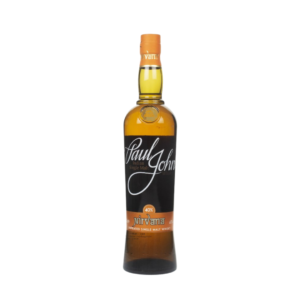
Paul John – Nirvana – Single Malt Indian Whisky
- £32
- Indian Single Malt Whisky Indian barley and charred American oak casks work in harmony here, with lots of barley sugar and honeyed notes to enjoy. 40% abv 70cl
- Add to basket
-
- Paul John
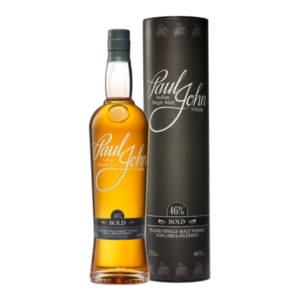
Paul John – Bold – Peated Indian Whisky
- £40
- World Whisky from Goa in India - single malt peated whisky - combining traditional Scottish methods with the distinct qualities of tropical maturation. 46% abv 70cl
- Add to basket
-
- Paul John, World Whisky
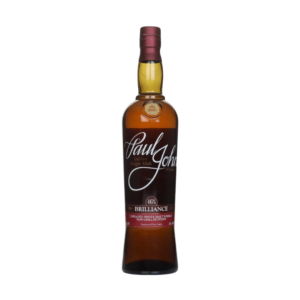
Paul John – Brilliance – Indian Whisky
- £40
- Indian Single Malt Whisky Made using Indian 6-row barley from the Himalayan foothills, Brilliance is matured in bourbon barrels for 3-5 years before bottling at cask strength. 46% abv 70cl
- Add to basket
-
- Paul John
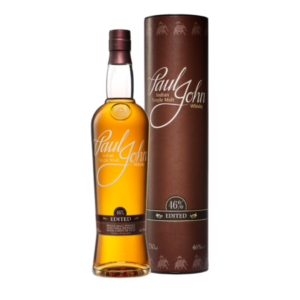
Paul John – Edited – Peated Indian Whisky
- £42
- Paul John - Edited - Indian Whisky - is a premium Indian single malt whisky in Goa, India. This unique expression gets its name because the recipe is "edited" by Master Distiller Michael John. He combines high-quality, local Indian six-row barley with a precise touch of imported, heavily peated Scottish barley. 46% abv 70cl
- Add to basket
-
- Paul John, World Whisky
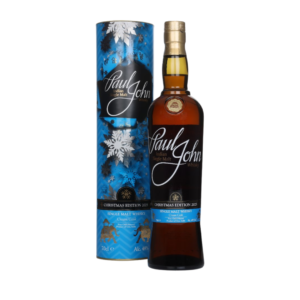
Paul John – Christmas Edition 2025 – Indian Whisky
- £64
- Indian Single Malt Whisky First matured for five years in bourbon casks, then finished for two years in 250-litre cream sherry casks of oloroso and Pedro Ximénez (PX), before the two finishes are vatted together and aged for a final year. 48% 70cl
- Add to basket
-
- Paul John
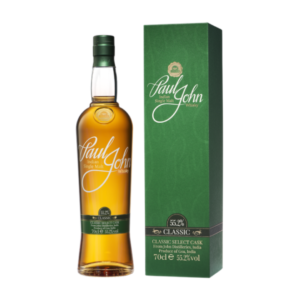
Paul John – Classic – Indian Whisky
- £72
- Paul John Classic Select Cask is a premium, unpeated Indain Single Malt Whisky in Goa. Distilled in traditional copper pot stills from six-row Indian barley, this expression is matured in ex-bourbon barrels. 55.2% abv 70cl
- Add to basket
-
- Paul John
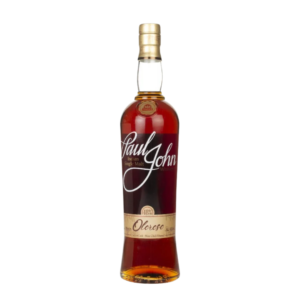
Paul John – Oloroso Select Cask Series – Single Malt Indian Whisky
- £80
- This unpeated Indian single malt has enjoyed a finishing period in Oloroso sherry casks 48% abv 70cl
- Add to basket
-
- Out of Stock
- Paul John
Paul John – Pedro Ximénez – Select Cask Series – Single Malt Indian Whisky
- £85
- Indian Single Malt Whisky Finished in Pedro Ximénez sherry casks 48% abv 70cl
- Read more
-