English whisky is defined as a spirit produced in England from malted barley (and other cereals), fermented by yeast, distilled to less than 94.8% ABV, and aged for at least three years in wooden casks. Unlike Scotch, it currently lacks specific,,, legal production rules, allowing for diverse styles, though a proposed Geographical Indication (GI) aims to codify its definition.
Key Aspects of English Whisky Definition
• Production Location: Must be produced in England.
• Ingredients: Made from water and malted barley, potentially with other U.K. cereals.
• Maturation: Aged in wooden casks (up to 700 litres) for a minimum of 3 years.
• Bottling Strength: Minimum 40% ABV.
• Additives: No sweeteners or additives are allowed, except for plain caramel colouring (E150a).
Proposed Geographical Indication (GI) & Regulations
• Current Status: A GI application is in progress to officially define English Whisky.
• Proposed Rules: The proposal suggests all grain must come from the UK, and all distilling and maturation must occur in England.
• “Single Malt” Controversy: Proposed GI rules indicate “single malt” implies distillation at one location, but not necessarily mashing/fermenting at the same site, which has drawn comparisons and criticisms, notes the Scotch Whisky Association.
Common Styles & Characteristics
English whisky is known for innovation and variety rather than strict regional traditions, often described as fruity, approachable, and diverse.
• Single Malt: 100% malted barley, produced at a single distillery.
• Single Grain: Often made from wheat or maize.
• Blended: A mix of malt and grain whiskies.
-
- English Whisky, Lancaster Spirits Co.
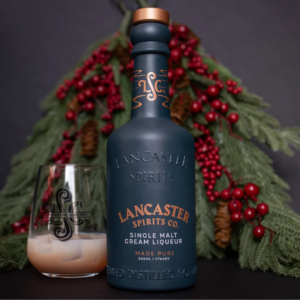
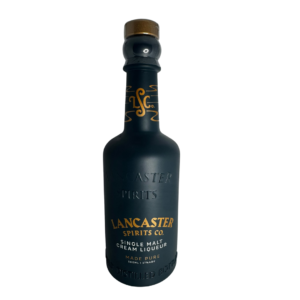
Lancaster Spirits Co. – Single Malt Cream Liqueur (vegan)
- £25
- Distillery Exclusive Single Malt Cream Liqueur - LIMITED QUANTITIES 17% abv 500ml
- Add to basket
-
- English Whisky, Lancaster Spirits Co.
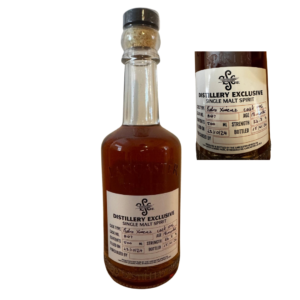
Lancaster Spirits Co. 18 months – Distillery Exclusive English Single Malt Spirit – PX Cask #47
- £40
- Distillery Exclusive Single Malt Spirit PX Cask #47 - 18 months - Distilled 23/10/2024 and Bottled 15/04/2026 56.3%abv 500ml
- Add to basket
-
- English Whisky, Lancaster Spirits Co.
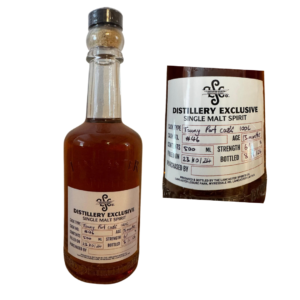
Lancaster Spirits Co – 13 months Distillery Exclusive – English Single Malt Spirit – Tawny Port Cask #46
- £40
- Distillery Exclusive Single Malt Spirit Tawny Port Cask #46 - 13 months - Distilled 23/10/2024 and Bottled 08/11/2026 61%abv 500ml
- Add to basket
-
- English Whisky, Lancaster Spirits Co.
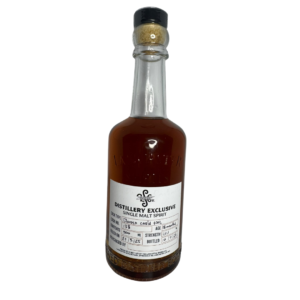
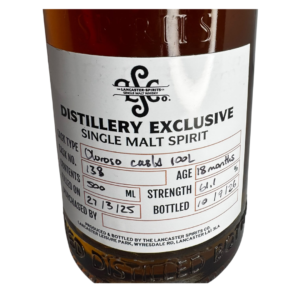
Lancaster Spirits Co. 18 months – Distillery Exclusive English Single Malt Spirit – Oloroso Cask #138
- £40
- Distillery Exclusive Single Malt Spirit Oloroso Cask #38 - 18 months - Distilled 27/03/2025 and Bottled 10/09/2026 61.1%abv 500ml
- Add to basket
-
- English Whisky, Filey Bay, Spirit of Yorkshire
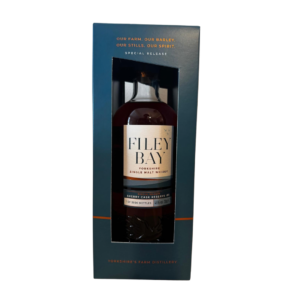
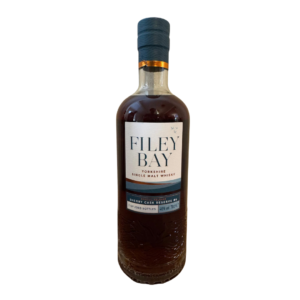
Filey Bay – Sherry Cask Reserve #6 (Spirit of Yorkshire)
- £80
- From The Spirit of Yorkshire Distillery First Fill ex-Oloroso Casks Limited release of 2000 bottles 46% abv 70cl
- Add to basket
-
- Out of Stock
- Blackadder, The English Whisky Company (St. George's Distillery (Norfolk)
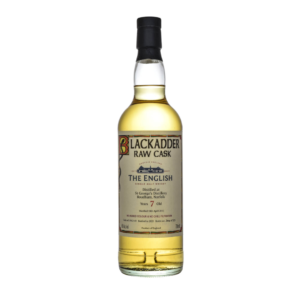
The English – St George’s 2010 7yo – Blackadder
- £87
- St. George's Distillery (The English Whisky Co.) A 7-year-old single malt distilled in 2013 and bottled in 2021 (Cask #EN21-01) - 225 bottles. 65% abv 70cl
- Read more
-
-
- Adelphi
White Peak 5yo 2019 – Adelphi Cask #29
- £95
- Re-charred red wine barrique (Cask #29) - 323 bottles 57.8% abv 70cl
- Add to basket
-
- Out of Stock
- Blackadder, The English Whisky Company (St. George's Distillery (Norfolk)
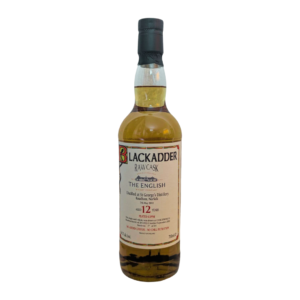
The English – St George’s 12yo 2010 – Blackadder
- £125
- St. George's Distillery (The English Whisky Co.) 12 Years Old - Distilled May 7, 2010 and bottled September 2022 Bourbon Barrel - heavily peated (63ppm) - cask #EN 2022-3 - limited to only 211 bottles 64.7% abv 70cl
- Read more
-